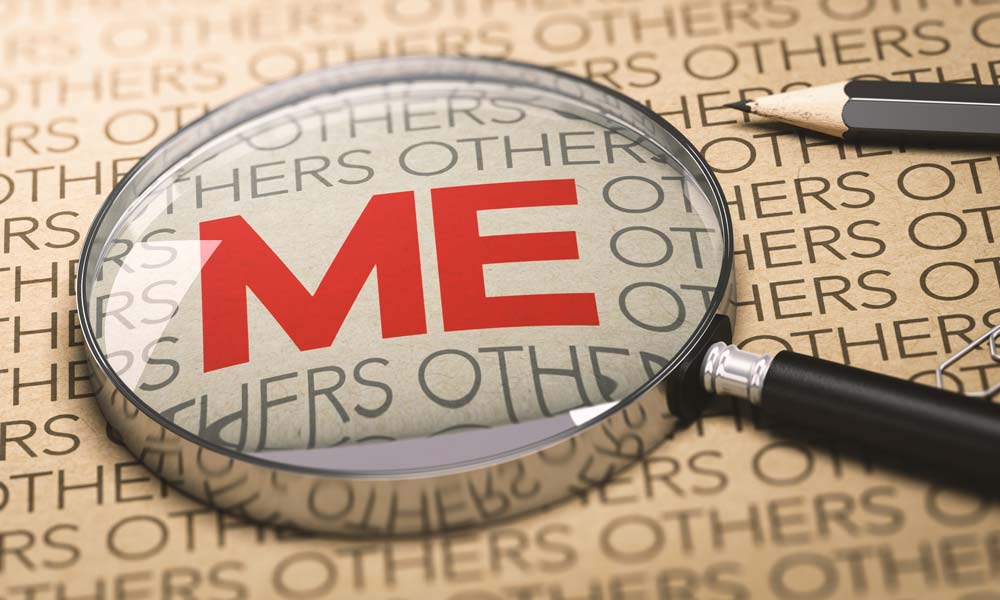
There is perhaps nothing as damaging to marriage as pride in its many manifestations. It is pride that jettisons the “we” out of marriage in favor of honoring the “me.”
It is elements of pride that:
- get in the way of creating covenant marriages as opposed to contract marriages
- set loose the negativity of John Gottman’s “Four Horsemen of the Apocalypse” — criticism, contempt, defensiveness, and stonewalling – in our marital disagreements
- cause us to look for and magnify the negative traits in our spouse
- prevent us from acknowledging the needs of our spouse and turning towards him or her
- prevent us from allowing our spouse to influence us.
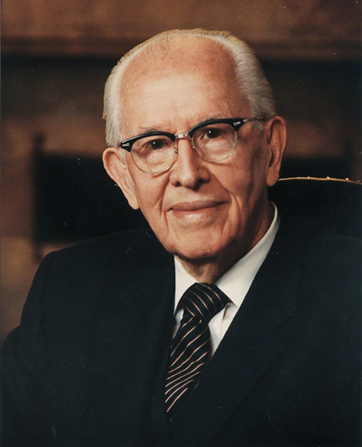
It is no wonder that Ezra Taft Benson(1989), past president and prophet of the Church of Jesus Christ of Latter-day Saints (1985-1994), described pride in a talk titled, “Beware of Pride,” as “the universal sin, the great vice” (para. 45).
In my blog, Contract vs. Covenant Marriage, one of the points I brought up was the change in societal values from collectivism – a focus on group goals — to individualism, a focus on the goals and rights of the individual. We live in a society that is preoccupied by “self.” Our culture teaches us to focus on our own needs. In his book, “Drawing heaven into Your Marriage,” H. Wallace Goddard (2009) shares a quote by social psychologist, Roy Baumeister, who observed:
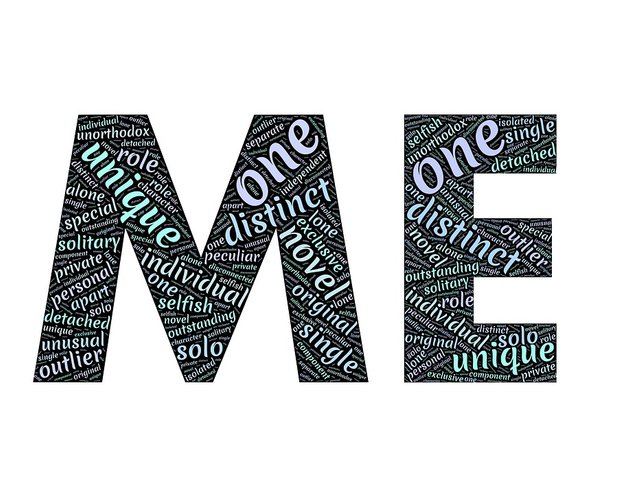
“Morality has become allied with self-interest. It is not simply that people have the right to do what is best for themselves; rather it has become an almost sacred obligation to do so. The modern message is that what is right and good and valuable to do in life is to focus on yourself, to learn what is inside you, to express and cultivate these inner resources, to do what is best for yourself, and so forth.
“Many Americans today can no longer accept the idea that love requires sacrificing oneself or making oneself unhappy or doing things that do not (at least eventually) serve one’s individual best interests. If a relationship does not bring pleasure, insight, satisfaction, and fulfillment to the self, then it is regarded as wrong, and the individual is justified—perhaps even obligated— to end the relationship and find a new, more fulfilling one. According to today’s values, “A kind of selfishness is essential to love” (p. 70).
It’s only natural that spouses seek happiness in their marriage, but Goddard explains the irony of “seeking happiness in ways that guarantee emptiness” (p. 70). He states:
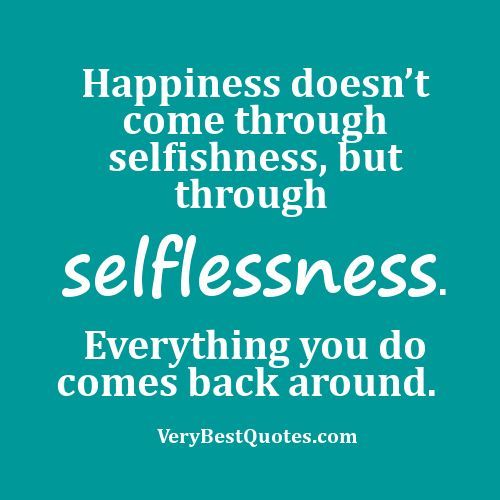
“To the modern mind, it doesn’t make logical “sense” that if we sacrifice our own wants and needs, in favor of our spouse’s, that we will find true joy and happiness. It takes faith to believe that “he that loseth his life for my sake shall find it” (Matt. 10:39). Without that foundational faith, it’s tempting to do what seems to make sense – and that is to look after ourselves and tend towards selfishness. When we have tossed sacrifice, obligation, and unselfishness from our contributions to relationships, we have nothing left but an empty egocentrism” (p. 70-71).
That doesn’t sound too fulfilling, but neither does a marriage plagued by manifestations of pride.
So how does pride manifest itself in our marriages? In trying to learn more about pride, I came across a blog written by Kevin Thompson (2016) titled, “10 Warning Signs of Pride in Marriage.” I’d like to share his list and encourage you to read it keeping yourself in mind, not your spouse.
1. Everything is personal. Pride is an elevated view of self. When pride enters an individual, everything becomes about them. So, every opposing idea or differing viewpoint isn’t seen as a natural disagreement or a difference of perspective, it is a personal attack on them. Their response to every situation is one of defensiveness because they feel assaulted even if you simply disagree over the most minor of issues.

2. Fault-finding. Because pride requires us to look better than others, a pride-filled person becomes an expert at finding fault in others. It’s as though they have fault-finding glasses and once they view life through that lens, problems are all they see. They actually believe finding fault is their gift and they readily point out the faults of everyone–bosses, co-workers, friends, political leaders, referees, coaches, and even their spouse.
3. Refusal to be influenced by their spouse. Humility opens one up to change while pride paralyzes us into our current state. Whenever an individual is unable to be positively influenced by their spouse, it’s a sign something is horribly wrong. It shows respect has been lost and the most common cause of lack of respect is pride. When we think we are better than our spouse, we stop being influenced by them.

4. Ignorance of the need of others. Pride doesn’t just keep us from caring for others, it prevents us from even seeing their need. Pride causes us to become so focused on self that we no longer see the hurts, struggles, and inabilities of others. Not knowing their need, a prideful person would never consider how they can assist another person in need.
5. Addiction to attention. Pride demands attention. Believing ourselves to be of more importance, we assume everything is and should be about us. Everything becomes about what we want, think, desire, and how situations impact us. Even if our spouse tragically breaks their leg, a prideful spouse immediately thinks about how that will inconvenience them and not their spouse.
6. Refusal to submit to authority. A prideful person believes they have it all figured out, so they don’t need to listen to an expert. Even if statistics show a certain action is negative, the person filled with pride will assume they are the exception. In marriage, an arrogant person will not humble themselves to wise counsel or do what an expert says. Even if they attend counseling, they simply go so their point can be validated.
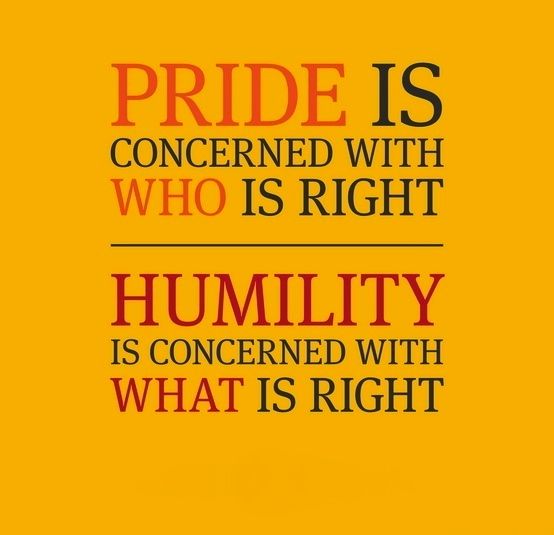
7. Inability to see opposing viewpoints. Pride causes us to crown our way of thinking as king. Anyone who sees the world differently is viewed as wrong. It may begin with outsiders to the marriage, but it will quickly include our spouse. If someone can’t fathom another person voting a different way or having an opinion that differs, they are filled with pride.
8. Never asking for help, always expecting service. It’s an odd combination, but pride weds the two. When we overvalue ourselves, we refuse to ask others for help. We see it as a weakness. But at the same time, we regularly expect others to serve us because we think we are due their sacrifice. So, a man filled with pride will ask his wife for nothing but expect her to do everything.
9. Absence of sacrifice and submission. Pride says we deserve to do our own thing and go our own way. Marriage demands that we sacrifice our individual dreams and desires for the sake of the relationship. It requires us to submit our wills to one another in order for the union to flourish. Pride convinces us that sacrifice is below us and submission is unnecessary.
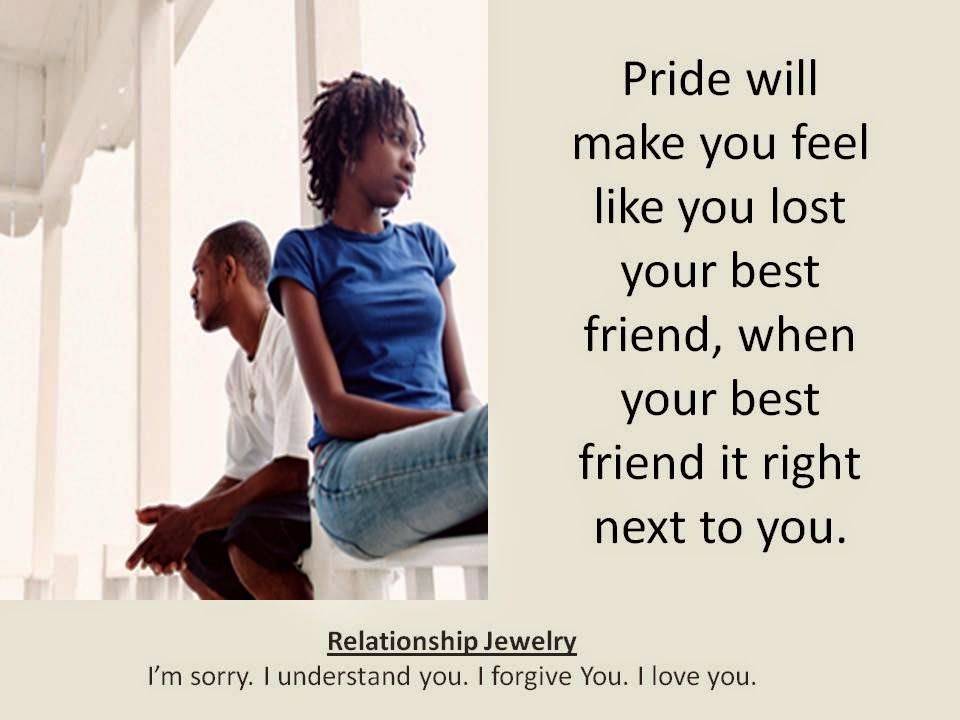
10. Refusal to say, “I’m sorry.” The inability to apologize can appear for two reasons. First, a prideful person may not be able to see they are wrong. Second, a prideful person might not be willing to admit fault even when they know it is there. Either way, the words “I’m sorry” are never heard or if they are, they are quickly followed by “but you….” (2016).
If you saw yourself in some of these descriptions as you read the list, you are probably not alone. I admit that my own behaviors and attitudes have reflected several of these manifestations of pride in my marriage at various times. I also admit that they have never helped to improve or strengthen my relationship with my husband because these ten signs are “me” oriented. My pride quite often keeps me from asking for help, sometimes because I think I can do a better job than anyone else in the house, and then I sometimes get upset when my husband doesn’t jump in to help me. He would say that his pride, in the form of selfishness, keeps him from jumping in to help me, justifying it by telling himself that if I wanted help I would ask. Our different manifestations of pride cause us to work against one another.
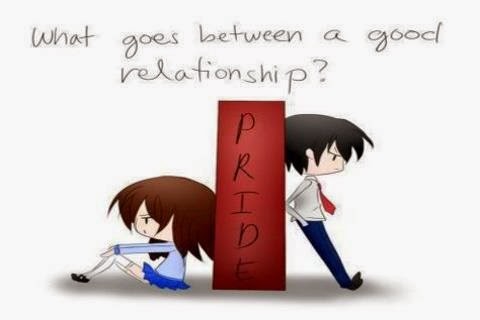
If you saw your spouse in several of these descriptions, you are still probably not alone. Goddard (2009) quotes the words of Ezra Taft Benson who taught:
“Pride is a sin that can readily be seen in others but is rarely admitted in ourselves. . .. Selfishness is one of the more common faces of pride. “How everything affects me” is the center of all matters—self-conceit, self-pity, worldly self-fulfillment, self-gratification, and self-seeking.
“The antidote for pride is humility—meekness, submissiveness. It is the broken heart and contrite spirit” (p. 76).
And why is humility essential for conquering pride? Because humility leads to repentance, and as Goddard (2009) states, “Only when we change our hearts through personal repentance can the burdensome weight of sin be lifted from our weary shoulders” (p.76). Goddard further explains that “When we humbly turn our minds, our lives, and our purposes over to God, He will refine us. We begin to see with new eyes. We feel with new warmth and goodness. We gladly give our time and energy to bless those around us—especially those with whom we have made covenants” (p.79).
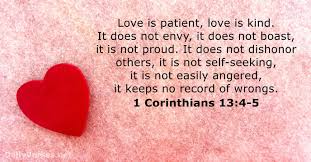
If our true desire is to find happiness in our marriage and make it stronger, we will humble ourselves and admit that our perceptions are limited. We will admit that we don’t know our partner’s heart or God’s purposes. We will change our hearts and minds so that we can see things from our spouse’s perspective. We will take the “me” out of our marriage and focus on the “we.”
Resources
Benson, E.T. (1989, May). Beware of pride. Ensign.
Goddard, H.W. (2009). Drawing heaven into your marriage. Joymap Publishing.
Thompson, K.A. (2016, November 8). 10 warning signs of pride in marriage. https://www.kevinathompson.com/10-warning-signs-pride-marriage/
 Kirsten's marriage blog