Ezra Taft Benson, a past president and prophet of the Church of Jesus Christ of Latter-day Saints (1985-1994) is quoted as saying, “What does it mean to love someone with all your heart? It means to love with all your emotional feelings and with all your devotion” (Matheson, 2009, p.14).

An invaluable piece of marital advice I gleaned from my parents when I was just in my teens was the importance of never allowing myself to be alone with a member of the opposite sex, who was not my husband, after I was married. My parents taught me that remaining true to my husband meant never accepting or providing a ride for someone of the opposite sex if someone else wasn’t with me, never going into their home if I was unaccompanied and he was alone, and never spending time conversing when alone or secluded from others. My dad stressed the importance of these practices to me and my siblings, teaching us that appearances matter. My husband and I have chosen to use this counsel to guide our actions throughout our marriage.
To some people, this may seem extremely cautious, and perhaps a little old-fashioned, or even silly, but we need to understand how little incidents can grow, almost imperceptibly, into inappropriate relationships that can destroy a marriage. Innocent beginning can grow into inappropriate relationships. Consider how you would feel if you became aware that your spouse was spending time alone with someone of the opposite sex on a regular basis. What if you later learned they were contacting one another by text or email? What if you noticed that your spouse began to feel a little distant? Would you not become a little uneasy?

Fidelity means being faithful or loyal to your spouse, which obviously includes refraining from physical contact with anyone who is not your spouse. However, fidelity is so much more. In his article, “Fidelity in Marriage: It’s More than You Think,” Kenneth Matheson (2009) describes fidelity as “complete commitment, trust, and respect between husband and wife. Inappropriate interactions with another person can erode fidelity” (p.14). Matheson (2009) continues:
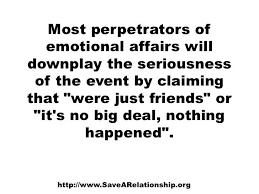
“Physical intimacy is only one of the many temptations Satan uses to break up families and marriages. Emotional infidelity, which occurs when emotions and thoughts are focused on someone other than a spouse, is an insidious threat that can weaken the trust between a couple and shatter piece of mind.
Emotional infidelity doesn’t usually happen suddenly; rather, it occurs gradually – often imperceptibly at first. This is one reason why those involved often feel innocent of any wrongdoing“ (p.14)
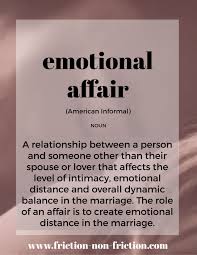
Emotional infidelity can occur when one spouse finds themselves attracted to a person of the opposite sex, a person who they feel demonstrates qualities they perceive as lacking in their spouse. As the relationship progresses, he or she may feel justified in his or her behavior because they feel that the relationship is providing something lacking in the relationship with their spouse, such as the feelings of being valued or important.
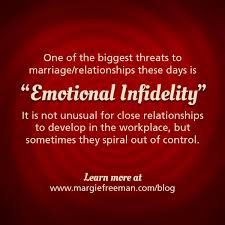
To be clear, according to Matheson (2009):
“Relationships with others of the opposite sex are not in and of themselves a problem or a fracture of fidelity. In fact, many of our meaningful relationships with neighbors, Church friends, co-workers, and others have a balanced and important place in our lives. However, there is a danger zone that people may cross if they are not watchful.” Crossing that zone “can lead to “emotional heartbreak, distrust, and marital conflict. . .” and “if not corrected, to physical infidelity” (p. 14).
In a speech about chastity, Ezra Taft Benson (1988) taught:
“If you are married, avoid flirtations of any kind. Sometimes we hear of a married man going to lunch with his secretary or other women in the office. Men and women who are married sometimes flirt and tease with members of the opposite sex. So-called harmless meetings are arranged, or inordinate amounts of time are spent together. In all of these cases, people rationalize by saying that these are natural expressions of friendship. But what may appear to be harmless teasing or simply having a little fun with someone of the opposite sex can easily lead to more serious involvement and eventual infidelity.
A good question to ask ourselves is this: Would my spouse be pleased if her or she knew I was doing this? Would a wife be pleased to know that her husband lunches alone with his secretary? Would a husband be pleased if he saw his wife flirting and being coy with another man? My brothers and sisters, this is what Paul meant when he said, “Abstain from all appearance of evil” (1 Thessalonians 5:22)” (p. 52).

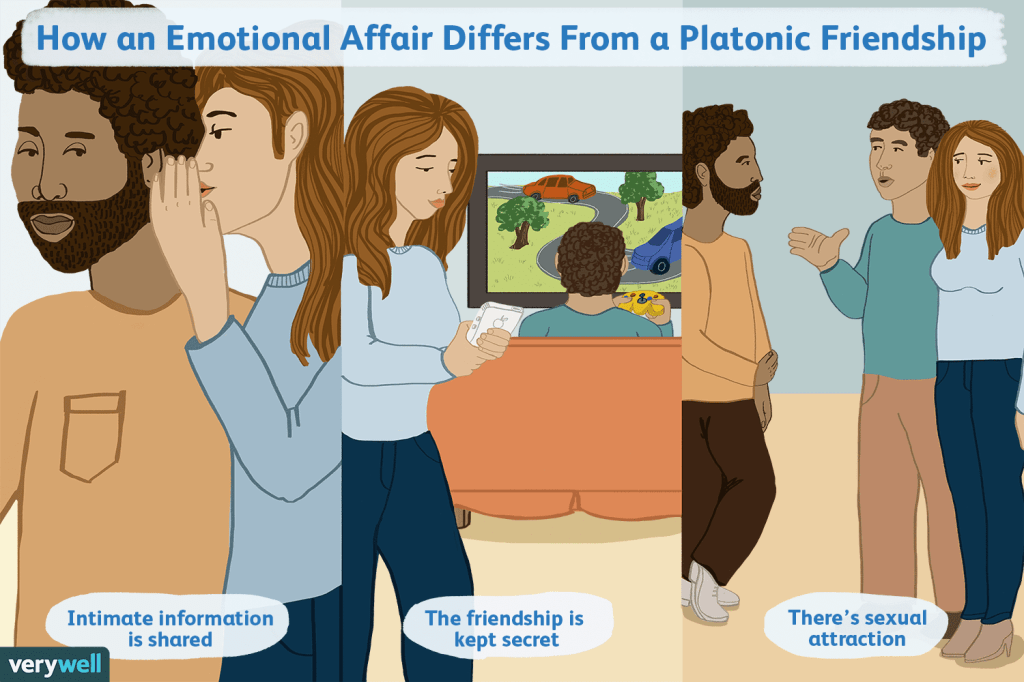
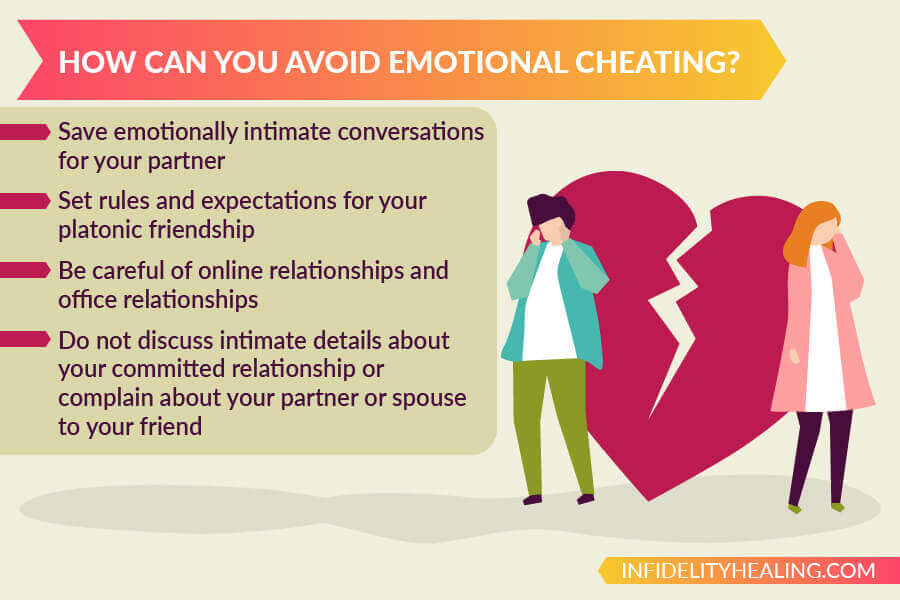
But when it feels so innocent, how can a person recognize that they are crossing lines into dangerous territory in our relationships with members of the opposite sex? Matheson (2009) provided a list of questions for personally assessing our relationships with our spouses and with others.
- “Are you turning to your friend for comfort rather than turning to your spouse?”
- “Do you find yourself thinking about your friend even when you’re at home?”
- “Do you seek opportunities to be with your friend even when work doesn’t require you to be together?”
- “Do you e-mail and text your friend when you’re not together?”
- “Have you told your spouse about these messages?”
- “Does the relationship with your friend take more of your time and energy than your relationship with your spouse?”
- “Do you compare your spouse to your friend?“
- “Would you be uncomfortable introducing your spouse to your friend?” (p. 16).
How we answer these questions reveals whether we are giving our whole heart to our spouse or whether we are holding back in our marital relationship. If some of your answers make you feel uncomfortable, Matheson (2009) counsels that “you may need to make some changes in your life. Consider an open and honest conversation with your spouse – being sure to focus on yourself and not the other person” (p. 15). By turning to and relying on the Lord for help, you can change your hearts and rebuild trust and loyalty in your relationship. With the help of the Lord, you can change your actions, eliminate the inappropriate interactions and turn away from the friend and turn towards your spouse. By working to change your hearts, you can both work to emphasize the positives in your relationship by acknowledging the good things you do for one another. When you disagree, focus on the problem without attacking each other. Forgive one another, and give your whole hearts to each other, holding nothing back.
Resources
Benson, E.T. (1988). The law of chastity. BYU 1987-1988 Devotional and Fireside Speeches.
Matheson, K.W. (2009, September). Fidelity in marriage: It’s more than you think. Ensign. https://www.google.com/url?q=https://www.churchofjesuschrist.org/study/ensign/2009/09/fidelity-in-marriage-its-more-than-you-think?lang%3Deng&sa=D&ust=1584471196568000&usg=AFQjCNFWpeO1Ryi3NNak9hSDhbYJsbkMgg
 Kirsten's marriage blog